Understanding the shelf lifeshelf life of skincare products is crucial for anyone who wants to maintain healthy skin. Just like food items, skincare products have a limited lifespan, and using them beyond their expiration date can lead to ineffective results or even skin irritation. The expiration of these products is not just a suggestion; it is a guideline that ensures safety and efficacy. Knowing how long your favorite creams, serums, and lotions last can help you make informed decisions about your skincare routine.The longevity of of these products is not just a suggestion; it is a guideline that ensures safety and efficacy. Knowing how long your favorite creams, serums, and lotions last can help you make informed decisions about your skincare routine. The longevity of skincare products can vary significantly based on several factors, including the type of product, its ingredients, and how it is stored.
For instance, water-based products tend to have a shorter shelf life compared to oil-based ones. Additionally, exposure to light, heat, and air can accelerate the degradation process. This makes it essential to pay attention to storage conditions and packaging when considering how long your skincare products will remain effective. In this article, we will delve deeper into the various aspects of skincare product expiration, exploring how long different types of products typically last and what signs to look for that indicate a product has gone bad. By understanding these factors, you can ensure that your skincare routine remains both safe and effective, allowing you to achieve the best possible results for your skin.
What is Shelf Life?
The term shelf life refers to the length of time that a product remains effective and safe to use.In the context of skincare products, shelf life is crucial as it directly impacts the product's stability, efficacy, and safety for consumers. Understanding shelf life helps users make informed decisions about when to use or discard their skincare items.Typically, the shelf life of skincare products is determined by several factors:
- Ingredients: The composition of a product plays a significant role in its longevity. Natural ingredients may have shorter shelf lives compared to synthetic ones due to their susceptibility to oxidation and microbial growth. The composition of a product plays a significant role in its longevity. Natural ingredients may have shorter shelf lives compared to synthetic ones due to their susceptibility to oxidation and microbial growth.
- Packaging: The type of packaging can affect a product's exposure to air and light, both of which can degrade active ingredients. For instance, opaque or air-tight containers can help extend shelf life.
- Storage Conditions: How and where a product is stored can influence its lifespan.
Products kept in cool, dry places away from direct sunlight tend to last longer than those exposed to heat and humidity.
Factors Affecting Skincare Product Shelf Life
The shelf life of skincare products can vary significantly based on several key factors.Understanding these factors is essential for ensuring that your skincare routine remains effective and safe.
Ingredients Impact on Shelf Life
The composition of a skincare product plays a crucial role in determining its longevity. Products containing natural ingredients, such as plant extracts and oils, often have shorter shelf lives due to their susceptibility to oxidation and microbial growth. In contrast, products with synthetic ingredients or preservatives tend to last longer. For instance, preservatives like parabens or phenoxyethanol can extend the shelf life by inhibiting the growth of bacteria and mold.Packaging Considerations
The type of packaging used can also affect the shelf life of skincare products.Air-tight containers, such as pumps or tubes, help minimize exposure to air and light, which can degrade active ingredients. On the other hand, jars that require dipping fingers into the product can introduce contaminants, leading to a shorter shelf life. Therefore, choosing products with high-quality packaging is essential for maintaining their efficacy.
Storage Conditions
How and where you store your skincare products significantly impacts their longevity. Exposure to extreme temperatures, humidity, and direct sunlight can accelerate the degradation process.Ideally, skincare products should be stored in a cool, dry place away from light. For instance, keeping them in a bathroom cabinet rather than on a windowsill can help preserve their integrity.In summary, the shelf life of skincare products is influenced by a combination of ingredients, packaging, and storage conditions. By being mindful of these factors, you can ensure that your skincare products remain effective for as long as possible.
Common Types of Skincare Products and Their Shelf Lives
Understanding the shelf life of various skincare products is crucial for maintaining their effectiveness and ensuring safety. Here’s a breakdown of common types of skincare products and their recommended shelf lives:- Creams: Typically, creams have a shelf life of about 6 to 12 months after opening.
This can vary based on the ingredients used; for instance, those containing natural oils may have a shorter lifespan due to oxidation.
- Serums: Most serums, especially those with active ingredients like vitamin C or retinol, should be used within 6 to 12 months after opening. These products are often more sensitive to light and air, which can degrade their potency.
- Cleansers: The shelf life of cleansers generally ranges from 1 to 3 years. However, it’s essential to check for any changes in texture or smell, as these can indicate that the product has gone bad.
- Moisturizers: Moisturizers usually last between 6 months to 2 years. Products with preservatives tend to have a longer shelf life, while those with natural ingredients may need to be replaced sooner.
- Sunscreen: Sunscreens are vital for skin protection and typically have a shelf life of 3 years.
However, once opened, it’s best to use them within 6 months to 1 year, especially if they show any signs of separation or change in consistency.
How to Determine if Your Skincare Product is Still Good
Determining whether your skincare products are still good is essential for maintaining healthy skin. Here are some practical tips to help you assess the safety and effectiveness of your products:- Check the Expiration Date: Most skincare products come with an expiration date or a Period After Opening (PAO) symbol, which indicates how long the product is safe to use after it has been opened. If you can’t find this information, it’s best to err on the side of caution.
- Inspect the Packaging: Look for any signs of damage or tampering.
If the seal is broken or the container is compromised, it may not be safe to use.
- Observe Changes in Texture or Color: If your product has changed in consistency, color, or smell, it may be a sign that it has expired. For example, a lotion that has separated or a cream that has turned yellow should be discarded.
- Smell Test: A change in scent can indicate that a product has gone bad. If it smells off or different from when you first purchased it, it's best to throw it away.
- Perform a Patch Test: If you're unsure about a product's safety, apply a small amount on a discreet area of skin. Wait 24 hours to see if any adverse reactions occur before using it on your face.
By following these simple steps, you can maintain a safe and effective skincare routine.
The Importance of Proper Storage for Skincare Products
Proper storage of skincare products is crucial for maintaining their effectiveness and extending their shelf life. Many consumers overlook this aspect, but the way you store your products can significantly impact their quality over time. One of the primary factors affecting the longevity of skincare items is temperature. Most products are best kept in a cool, dry place, away from direct sunlight. High temperatures can cause ingredients to break down more quickly, leading to a loss of potency.For instance, creams and serums that contain active ingredients like retinol or vitamin C are particularly sensitive to heat.
Skincare Storage Tips
- Avoid Humidity: Bathrooms can be humid environments, which may not be ideal for all skincare products. Instead, consider storing them in a bedroom or a dedicated skincare drawer.
- Keep Away from Sunlight: Light can degrade certain ingredients. Store your products in opaque containers or in a dark cabinet to protect them from UV rays.
- Seal Tightly: Always ensure that containers are tightly sealed after use to prevent air exposure, which can lead to oxidation and spoilage.
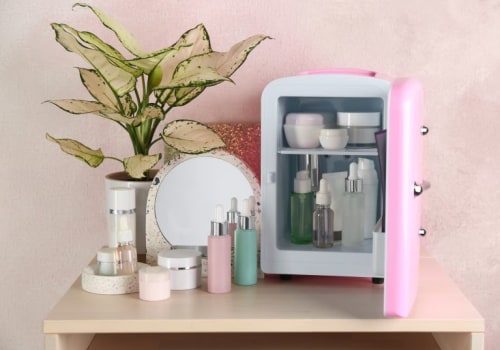
- Refrigeration: Some products, like eye creams or masks, can benefit from refrigeration. This not only helps preserve their ingredients but also provides a refreshing sensation upon application.
Remember that proper storage is just as important as the ingredients themselves when it comes to achieving the best results from your skincare routine.
Frequently Asked Questions About Skincare Shelf Life
Understanding the shelf life of your skincare products is essential for maintaining their effectiveness and ensuring your skin's health. Here are some frequently asked questions regarding the expiration and longevity of skincare items:How long can I keep my skincare products?
The shelf life of skincare products varies depending on the type of product and its ingredients. Generally, most products can last anywhere from 6 months to 2 years after opening. Here’s a quick breakdown:- Creams and lotions: 6 months to 1 year
- Serums: 6 months to 1 year
- Sunscreens: 1 to 3 years (check for specific expiration dates)
- Cleansers: 1 to 2 years
- Makeup products: 6 months to 2 years, depending on the type
What signs indicate that my skincare product has expired?
It’s crucial to be vigilant about the condition of your skincare products.Here are some signs that indicate a product may have expired:
- Change in color: If the product has darkened or changed color significantly, it may no longer be effective.
- Unusual smell: A sour or off-putting odor is a clear sign that the product has gone bad.
- Separation: If the ingredients have separated and do not mix back together upon shaking, it’s time to discard it.
- Texture changes: A change in consistency, such as clumping or excessive thinning, can indicate spoilage.
How can I extend the shelf life of my skincare products?
To maximize the longevity of your skincare, consider these tips:- Store in a cool, dry place: Avoid exposing products to heat and humidity.
- Avoid direct sunlight: Keep products away from sunlight to prevent degradation.
- Tightly close containers: Ensure lids are securely fastened to prevent contamination.
- Avoid sharing products: This helps reduce the risk of introducing bacteria.
Conclusion: Key Takeaways on Skincare Product Shelf Life
Understanding the shelf life of your skincare products is crucial for maintaining both their effectiveness and your skin's health. As we have discussed, various factors influence how long a product remains safe and effective, including its ingredients, packaging, and storage conditions.Here are the key takeaways regarding the shelf life of skincare products:- Check Expiration Dates: Always look for expiration dates or PAO (Period After Opening) symbols on your products. These indicators provide essential information about how long you can safely use a product.
- Storage Matters: Store your skincare products in a cool, dry place away from direct sunlight to prolong their shelf life. Heat and light can degrade active ingredients.
- Ingredient Awareness: Be mindful of the ingredients in your products.
Natural ingredients may have shorter shelf lives compared to synthetic ones. Products containing preservatives tend to last longer.
- Signs of Spoilage: Familiarize yourself with signs that indicate a product has gone bad, such as changes in color, texture, or smell. If you notice any of these changes, it’s best to discard the product.
- Regularly Audit Your Collection: Periodically review your skincare stash to ensure you’re not using expired products. This practice helps maintain an effective skincare routine.
By following these guidelines, you can ensure that your skincare routine remains both safe and effective, allowing you to achieve the best possible results.