Acne-prone skin is a common concern that affects individuals of all ages, often leading to frustration and a lack of confidence. Understanding the characteristics of acne-prone skin is essential for developing an effective skincare routine that addresses its unique needs. This skin type is typically characterized by excess oil production, clogged pores, and inflammation, which can result in various forms of acne, including blackheads, whiteheads, and cystic lesions. The causes of acne are multifaceted and can range from hormonal fluctuations to environmental factors. Hormonal changes during puberty, menstruation, or pregnancy can trigger increased oil production, while stress and diet may also play significant roles.
Additionally, certain skincare products that are comedogenic can exacerbate the condition by clogging pores. Understanding these underlying causes is crucial for anyone looking to manage their acne effectively. To tailor a skincare regimen that works for acne-prone skin, it’s important to focus on gentle cleansing, exfoliation, and hydration without over-drying the skin. Natural remedies can be particularly beneficial as they often contain fewer harsh chemicals that can irritate sensitive skin. By recognizing the specific needs of acne-prone skin and implementing targeted strategies, individuals can pave the way for clearer, healthier skin.
The Role of Skincare in Managing Acne
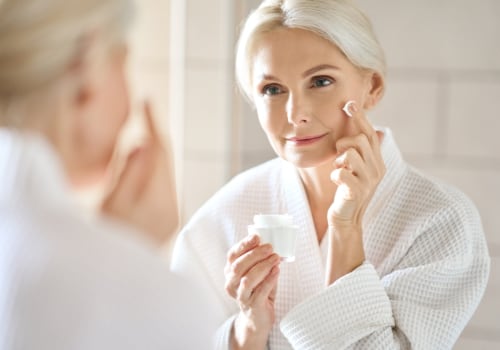
Managing acne effectively requires a well-thought-out skincare routine tailored to the unique needs of acne-prone skin.A consistent regimen not only helps in treating existing breakouts but also plays a crucial role in preventing future ones.
Importance of Skincare
Understanding the importance of skincare is essential for anyone struggling with acne. The right products can help balance oil production, unclog pores, and reduce inflammation. Moreover, a proper routine can enhance the skin's overall health, making it more resilient against acne triggers.
Key Components of a Skincare Routine for Acne
- Cleansing: Use a gentle, non-comedogenic cleanser twice daily to remove dirt, oil, and makeup without stripping the skin of its natural moisture.
- Toning: Incorporate an alcohol-free toner to help balance the skin's pH and prepare it for subsequent treatments.
- Treatments: Apply targeted treatments containing ingredients like salicylic acid or benzoyl peroxide to combat active breakouts effectively.
- Moisturizing: Even oily skin needs hydration. Opt for lightweight, oil-free moisturizers that won’t clog pores.
- Sun Protection: Daily use of a broad-spectrum sunscreen is vital, as some acne treatments can increase sun sensitivity.
Managing Acne with Skincare Techniques
In addition to using the right products, employing effective techniques can further enhance your skincare routine.
For instance, avoid touching your face to minimize the transfer of bacteria and oils. Regularly changing pillowcases and towels can also help reduce acne flare-ups by keeping your environment clean.Ultimately, a dedicated skincare routine is not just about treating acne; it’s about nurturing your skin and promoting its health. By understanding your skin type and choosing suitable products, you can significantly improve your complexion and regain confidence in your skin.
Natural Ingredients for Acne Treatment
When it comes to treating acne-prone skin, many individuals are turning to natural remedies that harness the power of nature. Here are some effective natural ingredients known for their acne-fighting properties:- Tea Tree Oil:Tea Tree Oil: This essential oil is renowned for its antibacterial and anti-inflammatory properties.
It can help reduce the size and redness of acne lesions. To use, dilute a few drops of tea tree oil with a carrier oil, such as jojoba or coconut oil, and apply it directly to the affected areas.
- Aloe Vera:Aloe Vera: Known for its soothing and healing properties, aloe vera can help calm irritated skin and reduce inflammation. Apply fresh aloe vera gel directly from the plant onto the skin, allowing it to absorb for about 20 minutes before rinsing off.
- Witch Hazel: This natural astringent helps tighten pores and reduce excess oil production. It also has anti-inflammatory properties that can soothe irritated skin.
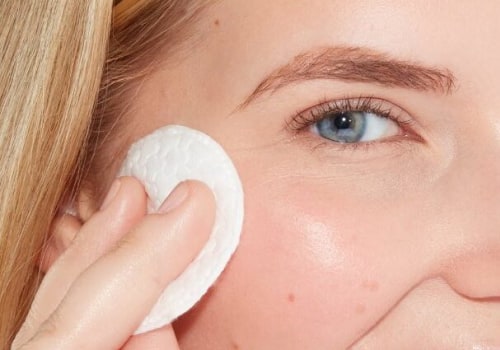
Use witch hazel as a toner by applying it with a cotton ball after cleansing your face.
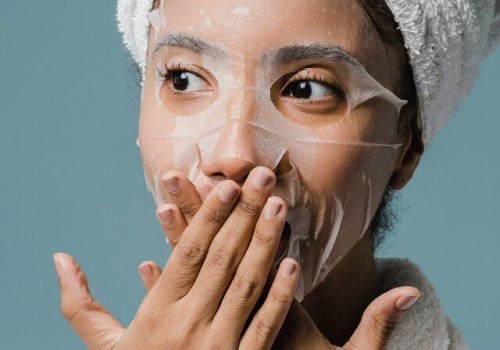
- Honey: With its natural antibacterial properties, honey can help prevent acne breakouts while also moisturizing the skin. Apply raw honey as a mask, leaving it on for 15-20 minutes before rinsing off with warm water.
- Green Tea: Rich in antioxidants, green tea can help reduce inflammation and fight bacteria associated with acne. Brew green tea, let it cool, and use it as a facial rinse or apply cooled tea bags directly to inflamed areas.
DIY Natural Remedies for Acne-Prone Skin
For those struggling with acne-prone skin, creating your own DIY natural remedies can be both effective and rewarding.Here are some simple recipes for face masks, scrubs, and treatments that you can easily make at home.
1.Honey and Cinnamon Mask
This mask harnesses the antibacterial properties of honey and cinnamon to help reduce acne.- Ingredients: 2 tablespoons of honey, 1 teaspoon of cinnamon.
- Instructions: Mix the honey and cinnamon together to form a paste. Apply it to your face, focusing on areas with acne. Leave it on for 10-15 minutes, then rinse with warm water.
2.Oatmeal Scrub
Oatmeal is a gentle exfoliant that can help soothe inflamed skin while absorbing excess oil.- Ingredients: 1/2 cup of oatmeal, 1/4 cup of honey, 1/4 cup of yogurt.
- Instructions: Combine all ingredients in a bowl until you achieve a thick paste. Gently massage the scrub onto your face in circular motions for about 5 minutes, then rinse off with lukewarm water.
3.Tea Tree Oil Treatment
Known for its powerful antibacterial properties, tea tree oil can be an effective spot treatment for acne.- Ingredients: 1 teaspoon of tea tree oil, 1 tablespoon of carrier oil (like coconut or jojoba oil).
- Instructions: Mix the tea tree oil with the carrier oil.
Using a cotton swab, apply the mixture directly to the affected areas. Leave it on overnight and rinse in the morning.
4.Green Clay Mask
This mask helps draw out impurities and excess oil from the skin.- Ingredients: 2 tablespoons of green clay powder, water or apple cider vinegar to mix.
- Instructions: Combine the clay powder with enough water or apple cider vinegar to form a smooth paste. Apply it to your face and let it dry for about 10-15 minutes before rinsing off with warm water.
Lifestyle Changes to Support Acne Management
Managing acne-prone skin goes beyond topical treatments; it also involves making lifestyle changes that can significantly improve your skin's health.Here are some key areas to focus on:
Diet and Acne
Your diet plays a crucial role in skin health. Certain foods can trigger acne flare-ups, while others can help maintain clear skin. Consider the following dietary tips:- Limit sugar and refined carbohydrates: High-glycemic foods can increase insulin levels, leading to more oil production and clogged pores.
- Incorporate anti-inflammatory foods: Foods rich in omega-3 fatty acids, such as salmon, walnuts, and flaxseeds, can help reduce inflammation.
- Stay hydrated: Drinking plenty of water helps to flush out toxins and keeps your skin hydrated, which is essential for maintaining its elasticity and preventing breakouts.
Stress Management
Stress can exacerbate acne by triggering hormonal changes that increase oil production. Implementing stress management techniques can be beneficial:- Practice mindfulness: Techniques such as meditation, yoga, or deep-breathing exercises can help reduce stress levels.
- Engage in regular physical activity: Exercise not only helps to relieve stress but also improves circulation, which can enhance skin health.
- Ensure adequate sleep: Aim for 7-9 hours of quality sleep each night to allow your body to repair itself and maintain hormonal balance.
Remember that consistency is key; integrating these habits into your daily routine will yield the best results over time.
When to Seek Professional Help for Acne
While many individuals can manage their acne with natural remedies and over-the-counter products, there are specific signs that indicate it may be time to seek professional help. Recognizing these signs early can prevent further skin damage and emotional distress.- Persistent Acne: If your acne lasts for more than a few weeks despite using home treatments, it may be a sign that you need a dermatologist's expertise.
- Severe Breakouts: If you experience frequent and severe breakouts, such as cystic acne or nodules, professional treatment options may be necessary to prevent scarring.
- Scarring or Dark Spots: If your acne is leaving behind scars or dark spots, a dermatologist can provide treatments that help reduce their appearance.
- Emotional Distress: Acne can take a toll on mental health. If you find that your skin condition is affecting your self-esteem or causing anxiety, it’s important to seek help.
- Unusual Symptoms: If you notice any unusual symptoms accompanying your acne, such as pain, swelling, or fever, consult a healthcare professional immediately.
By seeking professional help, you can access advanced solutions that may not be available through standard skincare routines.In summary, if you find yourself struggling with persistent or severe acne, don’t hesitate to reach out to a dermatologist. Early intervention can lead to more effective treatment and better overall skin health.
Conclusion: Embracing Natural Skincare Solutions for Acne-Prone Skin
In conclusion, embracing natural skincare solutions for acne-prone skin can lead to significant improvements in both skin health and overall well-being. Throughout this article, we explored various natural remedies that not only target the symptoms of acne but also promote a balanced and healthy complexion.From the soothing properties of aloe vera to the antibacterial effects of tea tree oil, these remedies offer a holistic approach to skincare. Additionally, incorporating ingredients like honey, which is known for its healing properties, and green tea, rich in antioxidants, can further enhance your skincare routine.Moreover, it is essential to remember that consistency is key when using natural remedies.Unlike conventional treatments that may provide quick results, natural solutions often require time and patience to show their full potential. Therefore, integrating these remedies into your daily routine can lead to long-lasting benefits.Furthermore, adopting a comprehensive approach that includes a balanced diet, adequate hydration, and stress management can significantly impact your skin's health. Foods rich in omega-3 fatty acids, vitamins A and E, and antioxidants can support your skin from the inside out.Ultimately, while natural remedies can be highly effective, it is crucial to listen to your skin and consult with a dermatologist if you experience persistent issues. By prioritizing natural skincare, you not only nurture your skin but also foster a deeper connection with your body’s needs.In summary, the journey towards clear skin is unique for everyone.
By exploring and embracing these natural remedies, you empower yourself to take control of your skincare routine and achieve healthier, more radiant skin.