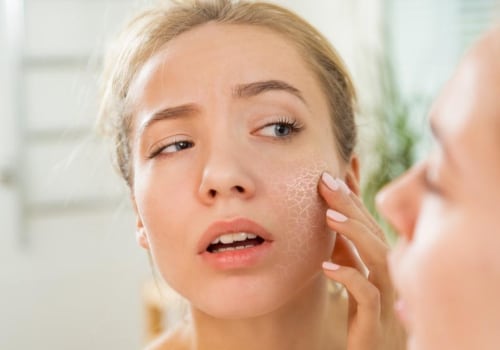
The skin around the eyes is one of the most delicate areas of the body, often requiring special attention in any skincare routine. This region features a significantly thinner texture compared to the rest of the face, making it more susceptible to signs of aging, such as fine lines and wrinkles. Additionally, the skin around the eyes contains fewer oil glands, which means it can become dry and irritated more easily. Understanding these unique characteristics is essential for anyone looking to maintain a youthful and vibrant appearance. Moreover, the eye area is constantly in motion due to blinking and facial expressions, which can exacerbate the appearance of fatigue and aging.
The lack of structural support in this area means that it can show signs of stress and tiredness much sooner than other parts of the face. This is why many people find that a dedicated eye cream can be beneficial; these products are formulated specifically to address issues like puffiness, dark circles, and dryness. Incorporating a specialized product into your skincare regimen can provide targeted benefits that general moisturizers may not offer. Eye creams often contain ingredients like peptides, hyaluronic acid, and antioxidants that work synergistically to nourish and protect this sensitive area. By understanding the anatomy of the skin around the eyes and its specific needs, you can make informed decisions about your regimen can provide targeted benefits that general moisturizers may not offer. Eye creams often contain ingredients like peptides, hyaluronic acid, and antioxidants that work synergistically to nourish and protect this sensitive area. By understanding the anatomy of the skin around the eyes and its specific needs, you can make informed decisions about your skincare choices, ensuring that you give your eyes the care they truly deserve.
The Role of Eye Creams in Skincare
When it comes to skincare, the delicate skin around the eyes requires special attention.This area is thinner and more sensitive than the rest of the face, making it prone to issues like dryness, puffiness, and dark circles. This is where eye creams come into play, offering targeted benefits that regular moisturizers may not provide.
Benefits of Eye Creams
- Hydration: Eye creams are formulated with hydrating ingredients such as hyaluronic acid and glycerin, which help to lock in moisture and prevent dryness. This is crucial for maintaining a youthful appearance.
- Anti-Aging Properties: Many eye creams contain peptides and antioxidants that combat signs of aging. These ingredients work to reduce the appearance of fine lines and wrinkles, promoting a smoother skin texture.
- Targeted Treatment: Eye creams often include specific ingredients designed to address common concerns like dark circles and puffiness.
For instance, caffeine can help reduce swelling, while vitamin K may improve discoloration.
Can Regular Moisturizers Replace Eye Creams?
When it comes to skincare, the debate over whether regular moisturizers can effectively replace eye creams is a common one.While both products aim to hydrate and nourish the skin, their formulations are tailored for different areas of the face.Formulation Differences Regular moisturizers are designed to hydrate the skin on the face and body, often containing a variety of ingredients such as glycerin, hyaluronic acid, and ceramides. These ingredients work well for the thicker skin on the face but may not be suitable for the delicate skin around the eyes. Eye creams, on the other hand, typically have a lighter texture and are formulated with specific ingredients like peptides, caffeine, and antioxidants that target issues such as puffiness, dark circles, and fine lines.Can I Use Moisturizer on My Eyes? While it might be tempting to apply your regular moisturizer around your eyes, it’s important to consider that some ingredients in these products can be too heavy or irritating for this sensitive area. For instance, fragrances and certain oils found in facial moisturizers can lead to irritation or allergic reactions when applied near the eyes.
Therefore, using a dedicated eye cream can help mitigate these risks.Effectiveness in Skincare Routine Incorporating both a moisturizer and an eye cream into your skincare routine can provide comprehensive benefits. A moisturizer will hydrate your face, while an eye cream will specifically address concerns unique to the eye area. If you’re looking for targeted results, especially for signs of aging or fatigue around the eyes, investing in a quality eye cream is advisable. Ultimately, while regular moisturizers can provide some hydration to the eye area, they may not deliver the specialized care that eye creams offer. For optimal results in your skincare regimen, consider using both products to ensure that all areas of your skin receive the attention they need.
When to Start Using Eye Creams
Determining the right time to start using eye creams can be a pivotal moment in your skincare journey.While there is no one-size-fits-all answer, many experts suggest that incorporating an eye cream into your routine can be beneficial as early as your mid-20s. This is when the skin around the eyes begins to show signs of aging, such as fine lines and dryness.
Factors Influencing When to Start:
- Genetics: If your family has a history of premature aging or dark circles, you might want to consider starting earlier.
- Lifestyle: Factors such as sun exposure, smoking, and lack of sleep can accelerate the aging process around the eyes.
- Skin Type: Those with dry or sensitive skin may benefit from an eye cream sooner than those with oily skin.
Skincare Timeline:
- In Your 20s: Start with a lightweight eye cream to maintain hydration.
- In Your 30s: Consider a more targeted formula that addresses specific concerns like dark circles or crow's feet.
- In Your 40s and Beyond: Opt for richer creams that provide intense moisture and support collagen production.
By being proactive about your eye care, you can help maintain a youthful appearance and support your overall skincare goals.
Choosing the Right Eye Cream for Your Skin Type
When it comes to selecting the right eye cream, understanding your skin type and specific concerns is crucial. Different formulations cater to various needs, so knowing what to look for can make all the difference in your skincare routine.Oily Skin
If you have oily skin, opt for a lightweight, gel-based eye cream. These formulations are less likely to clog pores and can help reduce the appearance of puffiness without adding excess oil. Look for ingredients like hyaluronic acid, which hydrates without heaviness, and caffeine, known for its ability to reduce swelling.Dry Skin
For those with dry skin, a richer, creamier eye product is ideal.Ingredients such as ceramides and shea butter provide deep hydration and help restore the skin's moisture barrier. Additionally, consider eye creams that contain peptides, which can improve skin elasticity and reduce the appearance of fine lines.
Sensitive Skin
If your skin is sensitive, it's essential to choose an eye cream that is free from fragrances and harsh chemicals. Look for products labeled as hypoallergenic or formulated specifically for sensitive skin. Key ingredients to seek out include aloe vera, which soothes irritation, and chamomile extract, known for its calming properties.Targeting Specific Concerns
- Dark Circles: Eye creams with ingredients like vitamin Cvitamin C can brighten the under-eye area, while niacinamide helps improve skin tone.
- Puffiness: Look for formulations that include green tea extract or caffeine, both of which can help reduce swelling and improve circulation.
- Fine Lines: Products containing retinol or peptides can promote collagen production and minimize the appearance of wrinkles.
Common Myths About Eye Creams Debunked
When it comes to eye creams, several myths can cloud our understanding and lead to poor skincare choices.Let’s debunk some of the most common misconceptions.
- Myth 1: All eye creams are the same. This is far from the truth. Eye creams are formulated specifically for the delicate skin around the eyes, which is thinner and more sensitive than the rest of your face. Ingredients in eye creams often target specific concerns such as puffiness, dark circles, and fine lines, making them distinct from regular moisturizers.
- Myth 2: You don’t need an eye cream until you’re older. Many believe that eye creams are only necessary for mature skin. However, starting a dedicated eye care routine in your 20s or 30s can help prevent early signs of aging.
The skin around your eyes can show signs of fatigue and stress much earlier than other areas, so it’s wise to incorporate an eye cream sooner rather than later.
- Myth 3: Eye creams are just a marketing gimmick. While it’s true that some products may not deliver on their promises, many eye creams contain potent ingredients like peptides, hyaluronic acid, and antioxidants that can genuinely benefit the skin. These ingredients can help improve hydration, reduce inflammation, and promote collagen production.
- Myth 4: You should apply eye cream only at night. While nighttime application is beneficial for repair and recovery, using eye cream in the morning can also be advantageous. It can help reduce puffiness and prepare your skin for makeup application, making your eyes look more awake throughout the day.
Tips for Applying Eye Cream Effectively
Applying eye cream correctly is essential to ensure that you reap the full benefits of the product. Here are some effective tips to enhance your skincare routine:- Use the Right Amount: A pea-sized amount is usually sufficient for both eyes.
Using too much can lead to product waste and may cause irritation.
- Warm It Up: Before applying, warm the eye cream between your fingers. This helps to activate the ingredients and makes it easier to spread.
- Gentle Application: Use your ring finger, as it applies the least pressure. Gently tap the cream around the orbital bone, avoiding direct contact with the eyes.
- Follow a Pattern: Start from the inner corner of your eye and move outward. This technique helps in lymphatic drainage and reduces puffiness.
- Don’t Forget the Eyelids: If your eye cream is safe for eyelids, apply a small amount there as well.
This area can also show signs of aging and dryness.
- Allow Time to Absorb: Give your eye cream a few minutes to absorb before applying other products. This ensures that the active ingredients penetrate effectively.
Conclusion: Is a Separate Eye Cream Necessary?
In conclusion, the necessity of using a separate eye cream largely depends on individual skincare needs and preferences. While some may find that their regular moisturizer suffices for the delicate skin around the eyes, others may benefit from the targeted ingredients found in dedicated eye creams. Here are some key considerations to help you decide:- Skin Type: If you have dry or sensitive skin, a specialized eye cream can provide additional hydration and soothing properties that your regular moisturizer might lack.
- Concerns: For specific issues such as dark circles, puffiness, or fine lines, eye creams often contain potent ingredients like caffeine, peptides, or retinol that are formulated to address these concerns more effectively.
- Age: As we age, the skin around our eyes becomes thinner and more prone to signs of aging.
A dedicated eye cream can offer targeted support to maintain elasticity and moisture.
- Makeup Use: If you frequently wear makeup, a lightweight eye cream can create a smooth base for application, preventing creasing and enhancing overall appearance.