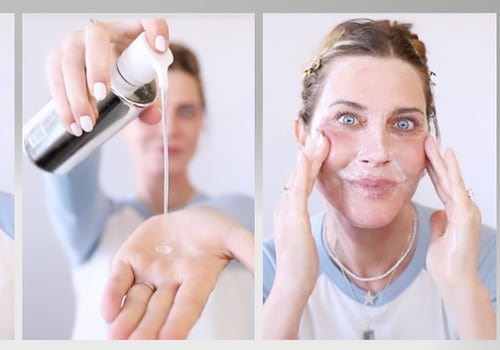
Skincare is more than just a daily routine; it is a vital aspect of personal health and well-being. Understanding the basics of skincare is essential for anyone looking to maintain healthy skin, as it serves as the body's first line of defense against environmental aggressors. A well-structured skincare routine can help prevent issues such as acne, dryness, and premature aging, making it crucial to grasp the fundamental principles that govern effective skincare practices. There are various types of skincare products available, each designed to address specific skin concerns. From cleansers and moisturizers to serums and sunscreens, knowing how to choose the right products for your skin type can significantly impact your overall skin health.
However, with the abundance of information available online, many people fall prey to misconceptions that can hinder their skincare journey. This article aims to debunk some of the most common myths surrounding skincare, providing clarity on what truly works and what doesn't. By equipping yourself with accurate knowledge about skincare, you can make informed decisions that lead to healthier skin and a more confident you. Let’s dive deeper into these misconceptions and uncover the truth behind effective skincare practices.
Misconception 1: More Products Mean Better Results
One of the most prevalent misconceptions in the world of skincare is the belief that using more products will yield better results. Many consumers fall into the trap of thinking that layering multiple creams, serums, and treatments will enhance their skin's appearance.However, this approach can often lead to the opposite effect.In reality, skincare product overload can overwhelm the skin, leading to irritation, breakouts, and a lack of clarity. Each product contains active ingredients that can interact with one another, sometimes causing adverse reactions. For instance, combining products with strong exfoliants and potent actives like retinol can irritate the skin barrier, resulting in redness and sensitivity.
Quality Over Quantity
Instead of focusing on the number of products used, it’s essential to prioritize quality and effectiveness. A streamlined effective skincare routine typically includes just a few key products tailored to your skin type and concerns.Here are some tips for creating a more effective regimen:
- Cleansing: Start with a gentle cleanser to remove impurities without stripping your skin.
- Treatment: Choose one or two targeted treatments based on your specific needs, such as acne or hyperpigmentation.
- Moisturizing: Use a moisturizer that hydrates without clogging pores.
- Sun Protection: Always finish with a broad-spectrum sunscreen during the day to protect against UV damage.
Misconception 2: Oily Skin Doesn’t Need Moisturizer
One of the most prevalent myths in the world of skincare is that individuals with oily skin can forgo moisturizer. This misconception stems from the belief that applying moisturizer will exacerbate oiliness, leading to clogged pores and breakouts. is that individuals with oily skin can forgo moisturizer. This misconception stems from the belief that applying moisturizer will exacerbate oiliness, leading to clogged pores and breakouts.However, this is far from the truth.In reality, hydration is essential for all skin types, including oily skin. When the skin lacks moisture, it can trigger an overproduction of oil as a compensatory mechanism. This can lead to a vicious cycle where the skin becomes even oilier and more prone to acne. Therefore, using a suitable moisturizer is crucial for maintaining a balanced complexion.
Choosing the Right Moisturizer
For those with oily skin, it’s important to select a moisturizer that is lightweight and non-comedogenic.Look for products labeled as:
- Oil-free
- Gel-based
- Water-based
Oily Skin Care Tips
In addition to using a proper moisturizer, here are some tips for managing oily skin:- Cleanse regularly: Use a gentle cleanser twice daily to remove excess oil and impurities.
- Avoid harsh products: Steer clear of products that strip your skin of its natural oils, as they can lead to increased oil production.
- Incorporate exfoliation: Regular exfoliation helps remove dead skin cells that can clog pores and contribute to oiliness.
Misconception 3: Natural Ingredients Are Always Better
One of the most prevalent misconceptions in the world of skincare is the belief that natural ingredients are always superior to their synthetic counterparts. While it’s true that many people gravitate towards products labeled as "natural" due to the perception of safety and efficacy, this assumption can be misleading.Natural vs. Synthetic Skincare
- Natural ingredients can vary widely in their potency and effectiveness.
For instance, some plant extracts may cause allergic reactions or irritation, while synthetic ingredients are often formulated to be more stable and effective.
- Synthetic ingredients, on the other hand, are rigorously tested for safety and efficacy. Many are designed to mimic natural compounds and can provide targeted benefits without the variability associated with natural sources.
The Natural Ingredients Skincare Myth
This myth perpetuates the idea that if a product is labeled as "natural," it is automatically better for your skin.
However, it’s essential to look beyond labels and examine the specific ingredients used in a product. Just because an ingredient comes from nature does not guarantee its safety or effectiveness.
Safe Skincare Ingredients
- When choosing skincare products, focus on ingredient transparency. Look for products that list their components clearly and provide information on their sourcing and testing.
- Consult with dermatologists or skincare professionals who can guide you in selecting products based on your unique skin type and concerns rather than relying solely on marketing claims.
Misconception 4: Sunscreen Is Only Necessary on Sunny Days
One of the most pervasive myths about skincare is the belief that sunscreen is only necessary on sunny days.This misconception can lead to serious long-term consequences for skin health. In reality, harmful UV rays can penetrate clouds and still cause damage, even on overcast days. Therefore, applying sunscreen should be a daily ritual, regardless of the weather.Many people are unaware that up to 80% of UV rays can reach your skin on cloudy days. This means that skipping sunscreen can leave your skin vulnerable to premature aging, sunburn, and even skin cancer.
The importance of UV protection cannot be overstated; it plays a crucial role in maintaining the integrity and appearance of your skin.To further clarify the necessity of sunscreen, consider the following:
- Daily Application: Sunscreen should be applied every day, even if you plan to stay indoors. UV rays can penetrate windows, exposing your skin to potential harm.
- Broad-Spectrum Protection: Choose a broad-spectrum sunscreen that protects against both UVA and UVB rays for comprehensive coverage.
- SPF Matters: Use a sunscreen with at least SPF 30 for adequate protection. Higher SPF ratings offer more protection but should not be seen as a reason to skip reapplication.
- Reapplication is Key: Sunscreen should be reapplied every two hours, or more frequently if swimming or sweating.
Misconception 5: Expensive Products Are More Effective
One of the most pervasive misconceptions in the world of skincare is the belief that expensive products are inherently more effective than their affordable counterparts.This notion can lead consumers to spend significant amounts of money on high-end brands, often with disappointing results. Understanding the true value of skincare products requires a closer examination of ingredients rather than price tags.
Price Does Not Equal Quality
- Many high-priced products are marketed with luxurious packaging and celebrity endorsements, which can create an illusion of superiority.
- In reality, some affordable products contain the same active ingredients as their expensive rivals, making them just as effective.
- Brands often charge a premium for their name rather than the actual formulation.
Focus on Ingredients
When evaluating skincare products, it’s crucial to focus on the ingredient list. Look for scientifically-backed components such as:
- Hyaluronic Acid: A powerful humectant that hydrates the skin.
- Retinol: Known for its anti-aging properties and ability to improve skin texture.
- Vitamin C: An antioxidant that brightens the skin and evens out skin tone.
The Value of Affordable Skincare
Many drugstore brands offer effective skincare solutions at a fraction of the cost.
By doing thorough research and reading reviews, consumers can discover hidden gems that deliver results without breaking the bank. Additionally, investing in a few key affordable products can allow for a more comprehensive skincare routine without overspending.In conclusion, while it may be tempting to associate higher prices with better quality in skincare, it’s essential to remember that effective skincare is about understanding ingredients and finding what works best for your individual needs. By shifting focus from price to formulation, consumers can make informed decisions that benefit both their skin and their wallets.
Misconception 6: Skincare Is Only for Women
One of the most pervasive misconceptions about skincare is that it is primarily a concern for women. This stereotype not only undermines the importance of skincare for men but also perpetuates outdated gender norms that can discourage individuals from taking care of their skin.Skincare for Men
- Men's skin is different: Men's skin tends to be thicker and oilier due to higher testosterone levels, which means they have unique skincare needs.
- Growing interest: The market for men's skincare products has been expanding rapidly, with more brands recognizing the demand for tailored solutions.
- Self-care trend: As self-care becomes more mainstream, men are increasingly embracing skincare routines as part of their daily regimen.
Gender and Skincare Myths
The idea that skincare is solely a female domain is rooted in traditional views of masculinity.
Many men may feel that using skincare products is not masculine or that they should not be concerned about their appearance. However, this notion is changing as society becomes more accepting of diverse expressions of masculinity.
Inclusive Skincare Practices
Promoting inclusive skincare practices means recognizing that everyone, regardless of gender, can benefit from a proper skincare routine. Here are some ways to encourage inclusivity:
- Education: Provide information on the benefits of skincare for all genders, emphasizing that healthy skin is important for everyone.
- Diverse marketing: Brands should showcase a variety of individuals in their advertising campaigns to reflect the reality that skincare is universal.
- Product development: Create products that cater to different skin types and concerns without gender bias.
Common FAQs About Skincare Misconceptions
When it comes to skincare, many people have questions that stem from common misconceptions. Here are some frequently asked questions that help clarify these myths:- Is it true that oily skin doesn’t need moisturizer?
Many believe that if their skin is oily, they can skip moisturizer.However, this is a misconception. Oily skin can still be dehydrated, and using a lightweight, non-comedogenic moisturizer can help balance oil production.
- Do I really need to wear sunscreen on cloudy days?
Absolutely! Up to 80% of UV rays can penetrate through clouds. Wearing sunscreen daily is crucial for protecting your skin from harmful rays, regardless of the weather. - Can I use the same products for my face and body?
While some products may be safe for both, facial skin is typically more sensitive than body skin. It’s best to use products specifically formulated for your face to avoid irritation. - Does drinking water improve my skin?
Staying hydrated is important for overall health, but while it can help maintain skin elasticity, it won’t directly clear up acne or other skin issues.A balanced diet and proper skincare routine are also essential.
- Are natural products always better for my skin?
Not necessarily. While many natural ingredients can be beneficial, some may cause allergic reactions or irritation. It’s important to research and choose products based on your specific skin type and concerns.
Conclusion: Embracing Informed Skincare Choices
In conclusion, understanding the misconceptions surrounding skincare is crucial for anyone looking to enhance their beauty routine.Throughout this article, we have debunked several myths that can lead to ineffective practices and even skin damage. By recognizing that not all products are universally effective and that individual skin types require tailored approaches, you can make more informed choices.Moreover, it’s essential to remember that skincare is not a one-size-fits-all solution. Factors such as age, skin type, and environmental influences play significant roles in how your skin reacts to various products. Therefore, investing time in understanding your unique needs will yield better results than following trends or popular advice blindly.As you navigate your skincare journey, consider the following key takeaways:
- Research Ingredients: Familiarize yourself with the active ingredients in your products and their benefits.
- Consult Professionals: Seek advice from dermatologists or skincare experts who can provide personalized recommendations.
- Pace Yourself: Introduce new products gradually to monitor how your skin responds.
- Stay Informed: Follow reputable sources for the latest research and trends in skincare.
Remember, informed decisions lead to healthier skin and a more confident you. Continue exploring reliable resources and stay curious about the evolving world of skincare. Your skin deserves the best care possible!.