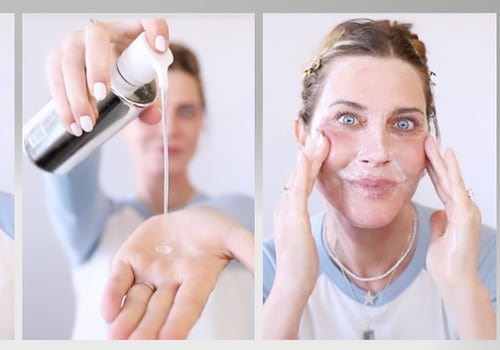
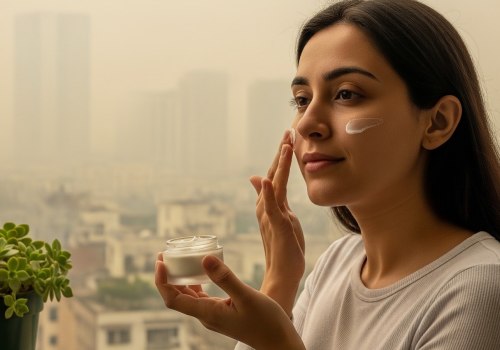
Exfoliation is a crucial step in any effective skincare routine, yet many people remain unaware of its significance. At its core, exfoliation involves the removal of dead skin cells from the surface of your skin, promoting a brighter and more youthful appearance. This process not only enhances the texture of your skin but also allows for better absorption of other skincare products, maximizing their effectiveness. Understanding what exfoliation is and how it works can transform your approach to maintaining healthy skin. The benefits of exfoliation extend beyond mere aesthetics.
Regularly exfoliating your skin can help prevent clogged pores, which are often the culprits behind acne and breakouts. By sloughing off dead skin cells, you reduce the likelihood of these impurities accumulating on your skin's surface. Additionally, exfoliation can stimulate collagen production, leading to firmer and more resilient skin over time. This makes it an essential practice for anyone looking to maintain a youthful glow. Incorporating exfoliation into your skincare routine doesn't have to be complicated.
Whether you choose physical exfoliants like scrubs or chemical exfoliants such as alpha-hydroxy acids (AHAs) and beta-hydroxy acids (BHAs), understanding how often to exfoliate based on your skin type is key. This section will delve deeper into the various methods of exfoliation and provide guidance on how to effectively integrate this practice into your daily regimen for optimal results.
How Often Should You Exfoliate Your Skin?
Determining how often to exfoliate your skin is crucial for maintaining a healthy skincare routine. The frequency of exfoliation largely depends on your skin type, concerns, and the type of exfoliant you choose.Skin Type Considerations
- Oily Skin: If you have oily skin, exfoliating 2-3 times a week can help remove excess oil and prevent clogged pores. Look for chemical exfoliants containing salicylic acid, which can penetrate deep into the pores. If you have oily skin, exfoliating 2-3 times a week can help remove excess oil and prevent clogged pores. Look for chemical exfoliants containing salicylic acid, which can penetrate deep into the pores.
- Dry Skin: For those with dry skin, it’s best to limit exfoliation to once a week.
Over-exfoliating can strip the skin of its natural oils, leading to increased dryness. Opt for gentle exfoliants like lactic acid or enzymatic peels.
- Sensitive Skin: If your skin is sensitive or prone to redness, exfoliating once every two weeks is advisable. Choose mild exfoliants and always perform a patch test before applying them to your entire face.
- Combination Skin: Those with combination skin may benefit from a tailored approach, exfoliating 1-2 times a week. Focus on areas that are oilier while being cautious with drier patches.
Exfoliation Frequency Tips
Regardless of your skin type, it’s essential to listen to your skin's needs.Signs that you may be over-exfoliating include redness, irritation, or increased sensitivity. If you notice these symptoms, consider reducing the frequency of your exfoliation. Incorporating exfoliation into your skincare routine should also align with other treatments you use. For instance, if you’re using retinoids or other active ingredients, it may be wise to limit exfoliation to avoid irritation. Ultimately, finding the right balance in your skincare routine will lead to healthier, more radiant skin. Regularly assess how your skin responds and adjust your exfoliation frequency accordingly for optimal results.
Different Types of Exfoliation: Physical vs.
ChemicalWhen it comes to skincare, understanding the different types of exfoliation is essential for achieving a healthy, radiant complexion. The two primary methods of exfoliation are physical and chemical, each offering unique benefits and potential drawbacks.
Physical Exfoliation
Physical exfoliation involves the use of abrasive materials to manually slough off dead skin cells. Common physical exfoliants include:- Scrubs: These often contain granules or beads that provide a gritty texture.
- Exfoliating gloves: These are textured gloves that help in buffing away dead skin.
- Brushes: Facial brushes can be used to gently scrub the skin.
Chemical Exfoliation
Chemical exfoliation, on the other hand, utilizes acids or enzymes to dissolve dead skin cells without the need for scrubbing.Common types of chemical exfoliants include:
- AHA (Alpha Hydroxy Acids): These are water-soluble acids derived from fruits, effective for dry skin.
- BHA (Beta Hydroxy Acids): Oil-soluble acids that penetrate deeper into pores, ideal for oily and acne-prone skin.
- Enzymatic exfoliants: Derived from fruits like papaya or pineapple, these are gentle and suitable for sensitive skin.
Signs You Need to Exfoliate More or Less
Understanding the balance of exfoliation is crucial for effective skincare. Both over-exfoliation and under-exfoliation can lead to various skin issues.Here are some signs to help you determine if you need to adjust your exfoliation routine.
Signs of Over-Exfoliation
- Redness and Irritation: If your skin appears red, inflamed, or feels sensitive after exfoliating, it may be a sign that you are exfoliating too frequently.
- Dryness and Flakiness: Over-exfoliation can strip your skin of its natural oils, leading to excessive dryness and flakiness.
- Increased Breakouts: Paradoxically, over-exfoliating can cause your skin to produce more oil, leading to clogged pores and breakouts.
- Stinging Sensation: If you experience a stinging or burning sensation after applying products post-exfoliation, it’s a clear indicator that your skin barrier is compromised.
Signs of Under-Exfoliation
- Dull Complexion: If your skin looks lackluster or feels rough to the touch, it may be time to incorporate more exfoliation into your routine.
- Pore Congestion: Visible blackheads or enlarged pores can indicate that dead skin cells are accumulating on the surface, necessitating more frequent exfoliation.
- Uneven Skin Texture: If you notice uneven patches or a bumpy texture, this could be a sign that your skin is not shedding dead cells effectively.
Best Practices for Exfoliating Your Skin Safely
Exfoliating your skin can be a game-changer in your skincare routine, but doing it safely is crucial to avoid irritation and damage. Here are some best practices to ensure you exfoliate effectively and safely:- Choose the Right Exfoliant: Depending on your skin type, select either a physical or chemical exfoliant.
For sensitive skin, consider gentle options like lactic acid or enzymatic exfoliants. Those with oily or acne-prone skin may benefit from salicylic acid.
- Frequency Matters: Generally, exfoliating 1-3 times a week is sufficient for most skin types. Over-exfoliation can lead to redness and sensitivity, so listen to your skin's needs.
- Patch Test New Products: Before fully incorporating a new exfoliant into your routine, perform a patch test on a small area of skin to check for any adverse reactions.
- Follow Up with Moisturizer: After exfoliating, always apply a good moisturizer to help restore hydration and protect the skin barrier. Look for products containing hyaluronic acid or ceramides. After exfoliating, always apply a good moisturizer to help restore hydration and protect the skin barrier. Look for products containing hyaluronic acid or ceramides.
- Avoid Sun Exposure: Exfoliation can make your skin more sensitive to the sun.
Always apply sunscreen during the day, especially after exfoliating.
- Exfoliating on Dry Skin: Always dampen your skin before using physical exfoliants to prevent micro-tears.
- Using Harsh Scrubs: Avoid scrubs with large, abrasive particles that can damage the skin. Opt for finer granules or chemical options instead.
- Neglecting Your Skin Type: Tailor your exfoliation method to your specific skin type. What works for oily skin may not be suitable for dry or sensitive skin.
Exfoliation Myths Debunked
When it comes to exfoliation, there are numerous myths that can cloud our understanding of this essential skincare practice.Let’s take a closer look at some of the most common misconceptions and set the record straight.
- Myth 1: Exfoliating every day is necessary for healthy skin.
Many believe that daily exfoliation will lead to smoother, clearer skin. However, over-exfoliating can strip the skin of its natural oils, leading to irritation and sensitivity. Most experts recommend exfoliating 1-3 times a week, depending on your skin type. - Myth 2: All exfoliants are the same.
There are two main types of exfoliants: physical and chemical. Physical exfoliants use granules or tools to slough off dead skin, while chemical exfoliants use acids or enzymes to dissolve dead skin cells.Understanding your skin type and concerns is crucial in choosing the right method for effective skincare.
- Myth 3: Exfoliation is only for oily or acne-prone skin.
While those with oily skin may benefit significantly from regular exfoliation, it is equally important for dry and sensitive skin types. Gentle exfoliation can help remove dry patches and promote cell turnover, leading to a more radiant complexion. - Myth 4: You should feel a burn when exfoliating.
A common misconception is that a tingling or burning sensation indicates effective exfoliation. In reality, this discomfort can signal irritation. A good exfoliant should leave your skin feeling refreshed, not raw.
Always listen to your skin and adjust your exfoliation frequency and method accordingly for optimal results.
FAQs About Exfoliating Your Skin
Exfoliating your skin can raise many questions, especially for those new to skincare. Here are some of the most frequently asked questions about exfoliation:- How often should I exfoliate my skin? The frequency of exfoliation depends on your skin type. Generally, dry or sensitive skin types should exfoliate once a week, while oily or acne-prone skin can benefit from exfoliating 2-3 times a week. Always listen to your skin and adjust accordingly.
- What are the benefits of exfoliating? Exfoliation helps remove dead skin cells, promoting a brighter complexion and allowing other skincare products to penetrate more effectively.
It can also help prevent clogged pores and reduce the appearance of fine lines.
- Can I exfoliate if I have sensitive skin? Yes, but it’s crucial to choose gentle exfoliants. Look for products labeled as gentle or for sensitive skin, and consider using chemical exfoliants like AHAs or BHAs, which can be less abrasive than physical scrubs.
- What should I do after exfoliating? After exfoliation, it’s essential to hydrate your skin. Use a nourishing moisturizer and consider applying a serum that contains hyaluronic acid or antioxidants to help soothe and replenish your skin.
- Is it necessary to exfoliate? While not strictly necessary, regular exfoliation can significantly improve your skin's texture and appearance. It’s particularly beneficial if you’re dealing with issues like dullness or uneven skin tone.
Conclusion: Finding Your Perfect Exfoliation Routine
In conclusion, establishing a personalized exfoliation routine is essential for maintaining optimal skin health.Throughout this article, we have explored various factors that influence how often you should exfoliate, including your skin type, age, and the specific products you choose to use.To recap:
- Skin Type: Oily skin may benefit from more frequent exfoliation, while dry or sensitive skin typically requires less frequent treatments.
- Age: As we age, our skin's natural cell turnover slows down, which may necessitate a tailored approach to exfoliation.
- Product Choice: The type of exfoliant—whether physical or chemical—can also dictate how often you should incorporate it into your routine.
By understanding the nuances of exfoliation and tailoring your approach, you can enhance your skincare regimen and enjoy healthier, more vibrant skin.