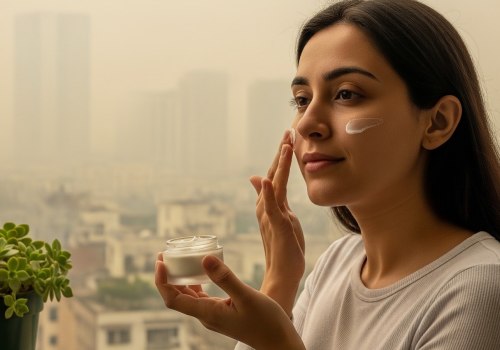
Understanding your skin type is the cornerstone of effective skincare. Each individual’s skin has unique characteristics that can significantly influence how it reacts to various products. Whether you have oily skin, dry skin, combination skin, or sensitive skin, recognizing these traits is essential for selecting the right skincare products. Using a product that doesn’t align with your skin type can lead to adverse reactions, such as breakouts, irritation, or excessive dryness. For instance, individuals with oily skin may find that heavy creams exacerbate shine and lead to clogged pores, while those with dry skin often require richer formulations to combat flakiness and maintain hydration.
Similarly, combination skin presents its own challenges, as different areas of the face may require tailored approaches. On the other hand, sensitive skin demands a cautious selection of products to avoid triggering redness or discomfort. By understanding your specific skin type, you can make informed decisions about which ingredients and formulations will work best for you. This knowledge not only enhances the effectiveness of your skincare routine but also helps in avoiding products that could potentially harm your skin. As we delve deeper into the signs that a skincare product may not be suitable for your skin type, keep in mind that awareness of your unique needs is the first step towards achieving healthy, radiant skin.
Common Signs of Incompatibility with Skincare Products
Identifying whether a skincare product is suitable for your skin type is crucial for maintaining healthy skin.Here are some common signs that indicate a product may not be compatible with your skin:
- Irritation: If you experience redness, burning, or stinging sensations after applying a product, it may be a sign of irritation. This can occur due to harsh ingredients or a formulation that doesn't align with your skin's needs.
- Breakouts: The appearance of new pimples or an increase in acne can signal that a product is clogging your pores or triggering an adverse reaction. Pay attention to how your skin responds over the first few days of use.
- Dryness or Flakiness: If your skin feels tight, looks dull, or begins to flake after using a new product, it may be stripping away essential moisture. This is particularly common with products containing alcohol or strong exfoliants.
- Allergic Reactions: Symptoms such as swelling, hives, or severe itching can indicate an allergic reaction to one or more ingredients in the product.
If you notice these symptoms, discontinue use immediately and consult a dermatologist.
- Changes in Skin Texture: A sudden change in the smoothness or overall texture of your skin can suggest that the product is not suitable. Look for signs like increased oiliness or rough patches.
How to Read Ingredient Labels Effectively
Understanding how to read skincare ingredient labels is crucial for selecting products that suit your skin type.The ingredient list is typically organized from the highest concentration to the lowest, which means the first few ingredients are the most significant. Here’s how to effectively interpret these labels:
- Know Your Skin Type: Before diving into ingredient lists, identify whether your skin is oily, dry, sensitive, or combination. This knowledge will guide you in recognizing which ingredients are beneficial or harmful.
- Avoid Harmful Ingredients: Certain ingredients can exacerbate skin issues. For example:
- Alcohols (like ethanol) can be drying for those with dry or sensitive skin.
- Sulfates may irritate sensitive skin and strip natural oils.
- Fragrance is a common irritant that can trigger allergic reactions.
- Parabens, often used as preservatives, have raised concerns regarding hormonal disruption.
- Look for Beneficial Ingredients: Seek out ingredients that cater to your specific needs.
For instance:
- Hyaluronic AcidHyaluronic Acid is excellent for hydration, especially for dry skin.
- Salicylic AcidSalicylic Acid helps clear pores and is ideal for oily or acne-prone skin.
- Aloe Vera soothes and hydrates sensitive skin.
- Check for Allergens: If you have known allergies, always scan the label for potential allergens. Ingredients like nuts or certain botanical extracts can cause reactions.
The Role of pH Balance in Skincare Compatibility
Understanding the pH balancepH balance of skincare products is crucial for maintaining healthy skin. The skin's natural pH level typically ranges from 4.5 to 5.5, which is slightly acidic.This acidity helps to protect the skin from harmful bacteria and environmental pollutants. When selecting skincare products, it’s essential to consider how their pH levels align with your skin type.
Why pH Matters in Skincare
- Acid Mantle Protection: The skin's acid mantle is a thin film of fatty acids and lactic acid that acts as a barrier. Products with a pH that is too high can disrupt this barrier, leading to dryness and irritation.
- Skin Type Compatibility: Oily skin may benefit from products with a lower pH, which can help control excess oil production. Conversely, dry or sensitive skin types often require products that are closer to neutral pH to avoid further irritation.
- Product Efficacy: The effectiveness of active ingredients can be influenced by pH levels.
For instance, certain exfoliating acids work best at specific pH levels, making it vital to choose products formulated for your skin's needs.
- Increased Sensitivity: If your skin becomes red or irritated after using a product, it may indicate that the product's pH is not suitable for your skin type.
- Breakouts: A product with a high pH can lead to clogged pores and breakouts, especially for those with oily or acne-prone skin.
- Dryness or Tightness: If your skin feels tight or excessively dry after application, it could be a sign that the product is disrupting your natural pH balance.
Patch Testing: A Crucial Step Before Full Application
Before diving into a new skincare product, it’s essential to understand the importance of patch testing. This simple yet effective method can help you identify potential reactions and ensure that the product is suitable for your skin type.Why Patch Test?
Patch testing is crucial because it allows you to assess how your skin reacts to a product before applying it to your entire face or body. Many skincare products contain active ingredients that can cause irritation, redness, or allergic reactions, especially for those with sensitive skin.
By conducting a patch test, you can minimize the risk of adverse effects.
How to Patch Test Effectively
- Select a small area of skin: Choose an inconspicuous spot, such as behind your ear or on your inner forearm.
- Apply a small amount: Use a pea-sized amount of the product and gently apply it to the selected area.
- Wait and observe: Allow the product to sit on your skin for 24 to 48 hours. During this time, monitor for any signs of irritation, such as redness, itching, or swelling.
- Evaluate the results: If no adverse reactions occur after the waiting period, it’s generally safe to use the product on a larger area. However, if you notice any negative reactions, it’s best to avoid using that product altogether.
Always remember that what works for one person may not work for another, so taking this precaution can save you from unnecessary discomfort and disappointment.
Consulting with Skincare Professionals
When navigating the vast world of skincare products, it can be challenging to determine which items are suitable for your unique skin type. This is where consulting with skincare professionals, such as dermatologists, becomes invaluable. Their expertise can help you avoid potential pitfalls and ensure that your skincare routine is tailored to your specific needs.Benefits of Consulting a Dermatologist
- Personalized Advice: Dermatologists assess your skin type, concerns, and goals, providing recommendations that are specifically tailored to you.
- Identifying Allergies: A professional can help identify any allergies or sensitivities you may have, guiding you away from products that could cause adverse reactions.
- Understanding Ingredients: Dermatologists can explain the benefits and drawbacks of various ingredients, helping you make informed choices about what to include in your routine.
- Addressing Skin Conditions: If you have specific skin conditions like acne, eczema, or rosacea, a dermatologist can recommend treatments that are more effective than over-the-counter options.
When to See a Dermatologist
If you experience persistent issues such as redness, irritation, or breakouts after using certain products, it may be time to seek professional advice. Additionally, if you are unsure about how to address specific concerns or if you want to explore advanced treatments, consulting a dermatologist can provide clarity and direction.In conclusion, while experimenting with different skincare products can be part of the journey to achieving healthy skin, enlisting the help of a skincare professional ensures that your approach is safe and effective.
Their insights not only save you time and money but also contribute significantly to your overall skin health.
Frequently Asked Questions About Skincare Product Suitability
When it comes to skincare, understanding whether a product is suitable for your skin type is crucial. Here are some common questions and answers that can help you identify signs of incompatibility with skincare products.What are the signs that a skincare product is not suitable for my skin type?
- Increased Breakouts: If you notice more pimples or acne after using a product, it may be too heavy or comedogenic for your skin.
- Redness and Irritation: Persistent redness, itching, or burning sensations can indicate that the product is irritating your skin.
- Dryness or Flakiness: If your skin feels tight or shows signs of peeling, the product may be too harsh or not hydrating enough.
- Oily Shine: Excessive oiliness can suggest that the product is not balancing your skin's natural oils properly.
How can I determine my skin type?
Understanding your skin type is essential for selecting the right skincare products. Here are some tips:- Observe Your Skin: Take note of how your skin behaves throughout the day. Is it oily, dry, or a combination?
- Conduct a Simple Test: After cleansing, wait for an hour and see how your skin feels.
If it’s shiny, you likely have oily skin; if it feels tight, you may have dry skin.
What should I do if I experience negative reactions?
If you suspect that a product is unsuitable for your skin, consider the following steps:- Stop Using the Product: Discontinue use immediately to prevent further irritation.
- Consult a Dermatologist: If reactions persist, seek professional advice to identify underlying issues.
- Patch Test New Products: Always perform a patch test before fully incorporating new products into your routine.
Conclusion: Making Informed Skincare Choices
In conclusion, making informed skincare choices is essential for maintaining healthy skin. Understanding your unique skin type and recognizing the signs that a product may not be suitable can save you from potential irritation and long-term damage. Throughout this article, we discussed various indicators that a skincare product might not align with your skin's needs. These include:- Increased redness or irritation: If you notice your skin becoming red, itchy, or inflamed after using a product, it may be a sign that it is too harsh for your skin type.
- Breakouts: New blemishes or worsening acne can indicate that a product is clogging your pores or not compatible with your skin's oil production.
- Dryness or flakiness: Products that strip moisture from your skin can lead to dryness, especially if you have sensitive or dry skin.
- Excess oiliness: If your skin feels greasy shortly after application, it may suggest that the product is too heavy for your skin type.
Choose wisely and prioritize products that enhance rather than hinder your natural beauty.