Understanding the factors that contribute to pore size is essential for anyone looking to improve their skincare routine. Pores are tiny openings on the skin's surface that allow sweat and oil to escape, but their size can vary significantly from person to person. Genetics play a crucial role in determining pore size; individuals with oily skin often have larger pores due to increased sebum production. Conversely, those with dry skin may notice smaller pores, but this does not mean they are immune to other pore-related issues. Different skin types also influence how pores appear.
For instance, individuals with combination skin may find that their T-zone has more noticeable pores compared to the drier areas of their face. Environmental factors such as sun exposure, pollution, and aging can exacerbate the appearance of pores by causing the skin to lose elasticity and firmness. Additionally, improper skincare practices, like using heavy or comedogenic products, can lead to clogged pores, making them appear larger. To effectively minimize the appearance of pores, it is vital to understand these underlying factors. Tailoring your skincare routine based on your specific skin type and addressing any external influences can lead to healthier skin and a more refined complexion.
By recognizing how genetics and environmental factors affect your skin, you can make informed choices about products and treatments that will help you achieve your desired results.
Daily Skincare Routine for Minimizing Pores
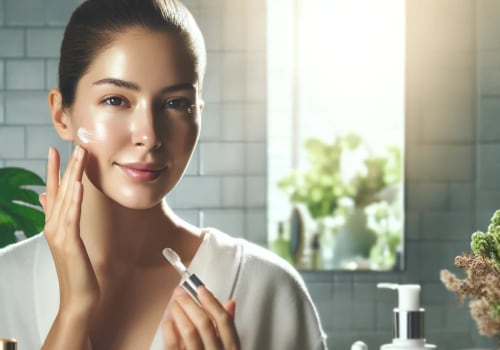
To effectively minimize the appearance of pores, establishing a consistent daily skincare routinedaily skincare routine is essential. This routine should include cleansing, exfoliating, and moisturizing to keep your skin healthy and radiant.Cleansing
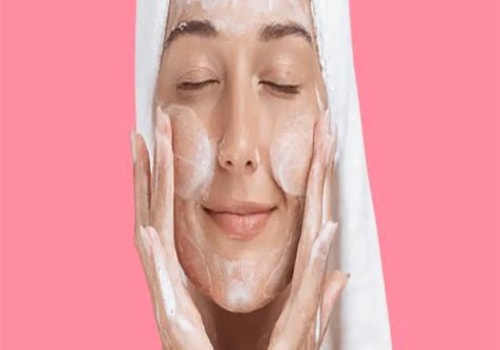
Start your day with a gentle cleanser that suits your skin type. Look for products containing salicylic acid or tea tree oil, as these ingredients help to unclog pores and reduce excess oil. A good option is a foaming cleanser that removes impurities without stripping your skin of its natural moisture.Exfoliating
Exfoliation is crucial for minimizing pores, as it helps to remove dead skin cells that can clog pores.Aim to exfoliate 2-3 times a week using a chemical exfoliant like glycolic acid or lactic acid. These acids promote cell turnover and reveal smoother skin. Avoid harsh physical scrubs, as they can irritate the skin and exacerbate pore visibility.
Moisturizing
Even if you have oily skin, don’t skip the moisturizer. Opt for a lightweight, non-comedogenic moisturizer that hydrates without clogging pores.Look for products labeled as oil-free or matte-finish, which can help control shine while keeping your skin balanced.
Sunscreen
Finally, always apply a broad-spectrum sunscreen with at least SPF 30 every morning. Sun damage can lead to enlarged pores over time, so protecting your skin is vital for maintaining its appearance.Incorporating these steps into your daily skincare routine will not only help minimize the appearance of pores but also improve your overall skin texture and health. Remember to be patient, as results may take time to become noticeable.The Role of Exfoliation in Pore Care
Exfoliation plays a crucial role in skincare, particularly when it comes to minimizing the appearance of pores. By removing dead skin cells and promoting cell turnover, exfoliation helps to keep your skin smooth and clear, which can significantly reduce the visibility of pores.Benefits of Exfoliation
Regular exfoliation offers several benefits that contribute to healthier skin:- Unclogs Pores: By sloughing off dead skin, exfoliation prevents the buildup that can lead to clogged pores and breakouts.
- Improves Texture: Exfoliating helps to refine skin texture, making it appear more even and less porous.
- Enhances Product Absorption: With a clean surface, your skincare products can penetrate deeper and work more effectively.
Chemical vs.
Physical ExfoliantsWhen it comes to choosing an exfoliant, you have two main categories: chemical and physical exfoliants.
- Chemical Exfoliants: These include ingredients like alpha hydroxy acids (AHAs) and beta hydroxy acids (BHAs). AHAs, such as glycolic acid, are water-soluble and work on the skin's surface, while BHAs, like salicylic acid, penetrate deeper into the pores. Chemical exfoliants are often gentler on the skin and can provide more consistent results over time.
- Physical Exfoliants: These involve scrubs or tools that manually remove dead skin cells. While they can be effective, they may also cause micro-tears in the skin if used too aggressively.
It's essential to choose a gentle scrub with fine particles to avoid irritation.
Choosing the Right Products for Pore Minimization
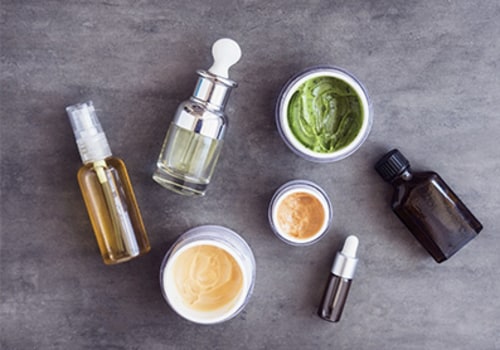
When it comes to minimizing the appearance of pores, choosing the right skincare products is essential. Here are some of the best ingredients and product types that can help you achieve smoother, more refined skin.Pore-Minimizing Ingredients
- Niacinamide: This powerhouse ingredient is known for its ability to regulate oil production and improve skin texture.
Regular use can lead to a noticeable reduction in pore size.
- Salicylic Acid: A beta hydroxy acid (BHA) that penetrates deep into the pores, salicylic acid helps to exfoliate and clear out debris, making pores appear smaller.
- Retinoids: These vitamin A derivatives promote cell turnover and can help unclog pores while improving overall skin texture.
- Clay Masks: Clay masks are excellent for absorbing excess oil and impurities from the skin, which can help minimize the appearance of enlarged pores.
Best Products for Large Pores
Here are some recommended products that incorporate these effective ingredients:- The Ordinary Niacinamide 10% + Zinc 1%:The Ordinary Niacinamide 10% + Zinc 1%: This serum is a budget-friendly option that combines niacinamide with zinc to help control oil and reduce pore visibility.
- Paula's Choice Skin Perfecting 2% BHA Liquid Exfoliant: This cult-favorite product contains salicylic acid and is perfect for those looking to clear out pores and improve skin texture.
- Drunk Elephant T.L.C. Framboos Glycolic Night Serum: A blend of AHAs and BHAs, this serum helps to refine skin texture and minimize the appearance of pores overnight.
- Aztec Secret Indian Healing Clay: This powerful clay mask can be mixed with apple cider vinegar or water to create a deep-cleansing treatment that draws out impurities.
Lifestyle Changes to Improve Skin Texture
To achieve a smoother skin texture and minimize the appearance of pores, making lifestyle changes is essential. These changes can significantly impact your skin's health and overall appearance.Diet for Healthy Skin
Your diet plays a crucial role in skin health.Incorporating a variety of nutrient-rich foods can help improve your skin's texture:
- Fruits and Vegetables: Rich in antioxidants, vitamins, and minerals, they help combat free radicals and promote skin repair. Aim for colorful options like berries, spinach, and carrots.
- Healthy Fats: Foods high in omega-3 fatty acids, such as salmon, walnuts, and flaxseeds, can help maintain skin elasticity and hydration.
- Whole Grains: Whole grains provide essential nutrients that support skin health. Opt for brown rice, quinoa, and whole-grain bread over refined grains.
- Limit Sugar and Processed Foods: High sugar intake can lead to inflammation and breakouts. Reducing processed foods can also help maintain a clearer complexion.
The Importance of Hydration
Hydration is another key factor in achieving healthy skin.Drinking adequate water helps to keep your skin plump and reduces the visibility of pores. Aim for at least 8 glasses of water a day, but adjust based on your activity level and climate. Additionally, incorporating hydrating foods like cucumbers, oranges, and watermelon can further enhance your hydration levels.
Sun Protection
Protecting your skin from harmful UV rays is vital for maintaining its texture. Regularly applying a broad-spectrum sunscreen with at least SPF 30 can prevent sun damage that leads to enlarged pores and uneven skin tone.Remember to reapply every two hours when outdoors.By making these lifestyle changes, you can significantly improve your skin's texture and minimize the appearance of pores over time. Consistency is key; adopting these habits will yield the best results for your skincare journey.
Professional Treatments for Pore Minimization
When it comes to minimizing the appearance of pores, professional skincare treatments can offer significant results that at-home remedies may not achieve. Here are some of the most effective options available:- Facials for Large Pores: Specialized facials designed for large pores often include deep cleansing, exfoliation, and hydration. These treatments help remove excess oil and dead skin cells, which can clog pores and make them appear larger.
Look for facials that incorporate salicylic acid or enzymatic exfoliants to effectively target pore size.
- Chemical Peels: Chemical peels use acids to exfoliate the skin's surface, promoting cell turnover and revealing smoother skin underneath.
Glycolic acid
and lactic acid peels are particularly effective for reducing pore size by removing the top layer of dead skin and encouraging new skin growth. - Laser Treatments: Laser therapies, such as fractional laser resurfacing, can significantly reduce the appearance of pores by stimulating collagen production and tightening the skin. This treatment targets deeper layers of the skin, leading to long-lasting improvements in texture and pore visibility.
Incorporating products with ingredients like niacinamide, which helps regulate oil production, can further enhance the effects of professional treatments.
Common Myths About Pores Debunked
When it comes to skincare and the appearance of pores, there are numerous myths that can lead to confusion. Understanding what is true and what is not can help you make informed decisions about your skincare routine.Myth 1: Pores Can Open and Close
One of the most common misconceptions is that pores can open and close. In reality, pores do not have muscles to contract or expand. They may appear larger or smaller depending on factors like oil production, dirt buildup, and skin hydration.Keeping your skin clean and moisturized can help minimize their appearance.
Myth 2: You Can Shrink Pores Permanently
Another prevalent myth is that you can permanently shrink your pores. While certain treatments, such as chemical peels or laser therapy, can temporarily reduce the appearance of pores, they cannot change their size permanently. Regular exfoliation and proper skincare can help maintain a smoother look.Myth 3: Oily Skin Has Larger Pores
Many believe that oily skin automatically means larger pores. While it’s true that excess oil can make pores appear more prominent, pore size is largely determined by genetics.People with dry skin can also have visible pores, especially if they are not properly hydrated.
Myth 4: All Products Claiming to Minimize Pores Work
Not all products marketed as pore-minimizing are effective. Ingredients like salicylic acid, niacinamide, and retinol can help improve skin texture and reduce the appearance of pores, but it’s essential to choose products suited for your skin type.Myth 5: Makeup Can Completely Hide Pores
While makeup can help conceal the appearance of pores, it cannot eliminate them. Heavy makeup may even accentuate them if not applied correctly. Using a good primer designed for pore minimization can create a smoother canvas for makeup application. By debunking these myths, you can better navigate your skincare journey and adopt practices that truly benefit your skin's health and appearance.FAQs About Minimizing Pores
When it comes to minimizing the appearance of pores, many people have questions.Here are some of the most frequently asked questions regarding this common skincare concern:
- What causes enlarged pores? Enlarged pores can be caused by a variety of factors, including genetics, excess oil production, and aging. As skin loses elasticity over time, pores may appear larger.
- Can I really minimize my pores? While you cannot completely eliminate pores, you can make them appear smaller through proper skincare routines and products. Regular exfoliation, using clay masks, and incorporating retinoids can help.
- Are there specific products that help? Yes! Look for products containing salicylic acid, niacinamide, or alpha hydroxy acids (AHAs). These ingredients can help unclog pores and improve skin texture.
- How often should I exfoliate? Exfoliating 1-3 times a week is generally recommended, depending on your skin type.
Over-exfoliating can irritate the skin and worsen the appearance of pores.
- Does makeup affect pore appearance? Certain makeup products can clog pores and make them appear larger. Opt for non-comedogenic products that won’t block your pores.