Acne is a common skin condition that affects millions of people worldwide, characterized by the presence of pimples, blackheads, and cysts. It occurs when hair follicles become clogged with oil and dead skin cells, leading to inflammation and infection. Understanding what acne is and how it manifests is essential for anyone looking to improve their skincare routine and prevent future breakouts. The causes of breakouts are multifaceted, ranging from hormonal changes to environmental factors. Hormonal fluctuations, particularly during puberty, menstruation, or pregnancy, can trigger an increase in oil production, making the skin more prone to acne.
Additionally, factors such as stress, diet, and certain medications can exacerbate the condition. Recognizing these triggers is vital for developing an effective skincare strategy. There are several types of acne, each requiring different approaches for treatment and prevention.
Comedonal acne
, which includes blackheads and whiteheads, is often the result of clogged pores.Inflammatory acne
, such as papules and pustules, involves redness and swelling due to infection.More severe forms include nodular and cystic acne, which can lead to scarring if not treated properly. By understanding these types, individuals can tailor their skincare regimens to address their specific needs.
The Role of Skincare in Preventing Breakouts
Maintaining a consistent skincare routineskincare routine is essential for preventing breakouts and managing acne. A well-structured routine not only helps to keep your skin clean but also balances oil production, unclogs pores, and promotes overall skin health.To effectively prevent breakouts, consider the following key components of a skincare routine:- Cleanser: Use a gentle, non-comedogenic cleanser twice daily to remove dirt, oil, and makeup. Look for ingredients like salicylic acid or benzoyl peroxide, which can help target acne-causing bacteria. Use a gentle, non-comedogenic cleanser twice daily to remove dirt, oil, and makeup. Look for ingredients like salicylic acid or benzoyl peroxide, which can help target acne-causing bacteria. or benzoyl peroxide, which can help target acne-causing bacteria. Use a gentle, non-comedogenic cleanser twice daily to remove dirt, oil, and makeup. Look for ingredients like salicylic acid or benzoyl peroxide, which can help target acne-causing bacteria.
- Toner: Incorporate a toner to help balance your skin's pH levels.
Toners with witch hazel or tea tree oil can be particularly beneficial for oily or acne-prone skin.
- Moisturizer: Even if you have oily skin, don’t skip moisturizer. Opt for lightweight, oil-free formulas that hydrate without clogging pores.
- Exfoliation: Regular exfoliation (1-2 times a week) helps remove dead skin cells that can lead to clogged pores. Choose chemical exfoliants like AHAs or BHAs for effective results.
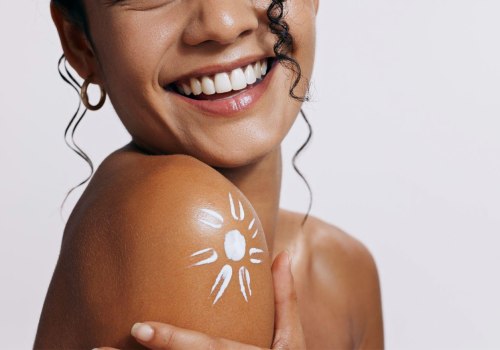
- Sunscreen: Protecting your skin from UV damage is crucial. Use a broad-spectrum sunscreen daily to prevent inflammation and hyperpigmentation that can worsen acne scars.
A tailored routine not only addresses existing issues but also fortifies your skin against future outbreaks. By understanding your skin type and its specific needs, you can select products that work synergistically to maintain clarity and health.Moreover, consistency is key. Skincare is not a one-time fix; it requires dedication and patience. Over time, you will likely notice improvements in your skin's texture and appearance, leading to fewer breakouts and a more confident you.
Essential Skincare Ingredients for Acne Prevention
When it comes to preventing breakouts and managing acne, incorporating the right skincare ingredients into your routine is crucial.Here are some of the most effective ingredients that can help keep your skin clear and healthy:
- Salicylic Acid: This beta hydroxy acid (BHA) is renowned for its ability to penetrate deep into the pores, effectively dissolving excess oil and dead skin cells that can lead to acne. By exfoliating the inside of the pores, salicylic acid helps to prevent blockages and reduces inflammation, making it a staple in many acne-fighting products.
- Benzoyl Peroxide: Known for its antibacterial properties, benzoyl peroxide works by killing the bacteria that contribute to acne formation. It also helps to reduce excess oil production and promotes skin cell turnover. This ingredient is often found in spot treatments and cleansers, providing targeted action against active breakouts.
- Niacinamide: A form of vitamin B3, niacinamide is celebrated for its anti-inflammatory properties.
It helps to soothe irritated skin, reduce redness, and improve the overall texture of acne-prone skin. Additionally, niacinamide can help regulate oil production and strengthen the skin's barrier, making it less susceptible to breakouts.
Building an Effective Skincare Routine
Creating an effective skincare routine is essential for preventing breakouts and managing acne.A well-structured routine tailored to your skin type can significantly improve your skin's health. Below are the steps for both a morning and evening routine designed specifically for acne-prone skin.
Morning Routine for Acne
- Cleanser: Start with a gentle, non-comedogenic cleanser that contains salicylic acid or benzoyl peroxide. These ingredients help to unclog pores and reduce inflammation.
- Toner: Use an alcohol-free toner to balance your skin's pH levels. Look for toners with witch hazel or tea tree oil, which can help control oil production.
- Serum: Apply a lightweight serum containing niacinamide or hyaluronic acid.
Niacinamide helps to reduce redness and improve skin texture, while hyaluronic acid hydrates without clogging pores.
- Moisturizer: Choose a non-comedogenic moisturizer that provides hydration without adding excess oil. Gel-based moisturizers are often a good choice for acne-prone skin.
- Sunscreen: Finish with a broad-spectrum sunscreen of at least SPF 30. Look for oil-free formulas that won’t contribute to breakouts.
Evening Routine for Acne
- Makeup Remover/Cleansing Oil: If you wear makeup, start with a gentle makeup remover or cleansing oil to ensure all products are removed before cleansing.
- Cleanser: Use the same cleanser from your morning routine to remove impurities accumulated throughout the day.
- Toner: Reapply your toner to prep your skin for the next steps and help minimize pores.
- Treatment: Incorporate targeted treatments such as retinoids or spot treatments containing benzoyl peroxide or sulfur. These can help reduce existing breakouts and prevent new ones from forming.
- Moisturizer: Apply a slightly richer moisturizer at night to help repair the skin barrier while you sleep, ensuring it remains non-comedogenic.
Stick to these steps daily, and be patient as it may take time to see significant improvements in your skin's condition.
Lifestyle Changes to Support Skincare Efforts
Achieving clear skin goes beyond topical treatments; it requires a holistic approach that includes lifestyle changes. Here are some key areas to focus on:Diet for Acne Prevention
Your diet plays a crucial role in skin health. Certain foods can trigger breakouts, while others can help maintain a clear complexion. Consider the following dietary tips:- Incorporate more fruits and vegetables: These are rich in antioxidants and vitamins that promote skin health.
- Limit dairy and high-glycemic foods: Studies suggest that dairy products and foods high in sugar can exacerbate acne.
- Stay hydrated: Drinking plenty of water helps flush out toxins and keeps your skin hydrated.
Stress Management
Stress can lead to hormonal changes that trigger acne flare-ups.Implementing effective stress management techniques can significantly improve your skin's appearance. Here are some strategies:
- Practice mindfulness or meditation: These techniques can help reduce stress levels and promote overall well-being.
- Engage in regular physical activity: Exercise not only reduces stress but also improves blood circulation, which benefits your skin.
- Ensure adequate sleep: Aim for 7-9 hours of quality sleep each night to allow your body to repair itself, including your skin.
Common Myths About Acne and Skincare
Understanding the truth behind acne and skincare is crucial for effective prevention and treatment. Unfortunately, several myths and misconceptions persist, leading to confusion and ineffective practices.- Myth 1: Acne is caused by poor hygiene. Many believe that not washing their face enough leads to breakouts.
In reality, over-washing can irritate the skin and exacerbate acne. A gentle cleansing routine is more effective.
- Myth 2: Only teenagers get acne. While it’s common during adolescence due to hormonal changes, adults can also experience acne due to stress, hormonal fluctuations, or certain medications.
- Myth 3: Chocolate and greasy foods cause acne. Although diet can influence skin health, there is no definitive evidence linking specific foods like chocolate or fried items directly to acne. However, a balanced diet rich in fruits, vegetables, and whole grains can promote healthier skin.
- Myth 4: Sun exposure clears up acne. While some may notice temporary improvement in their skin after sun exposure, UV rays can actually damage the skin and lead to more breakouts in the long run. Always use sunscreen suitable for your skin type.
It’s essential to consult with a dermatologist for personalized advice tailored to your specific skin type and concerns.
When to Seek Professional Help for Acne
Understanding when to seek professional help for acne is crucial for effective treatment and skin health. While many individuals can manage mild to moderate acne with over-the-counter products and a consistent skincare routine, there are specific signs that indicate it may be time to consult a dermatologist.- Persistent Breakouts: If you notice that your acne persists despite using topical treatments for several weeks, it may be a sign that you need professional intervention.
- Severe Acne: Signs of severe acne include deep cysts, nodules, or widespread breakouts that cover large areas of the face or body. This type of acne often requires prescription medications.
- Scarring: If your acne is leaving behind scars or dark spots, a dermatologist can provide treatments to minimize these effects and prevent further skin damage.
- Emotional Distress: Acne can significantly impact self-esteem and mental health. If you find that your breakouts are affecting your mood or social interactions, seeking help is advisable.
- Topical Prescription Medications: These may include stronger retinoids or antibiotics that target the bacteria causing acne.
- Oral Medications: In cases of severe acne, oral antibiotics or hormonal treatments like birth control pills may be prescribed.
- Chemical Peels: These treatments help exfoliate the skin and can reduce the appearance of acne and scars.
- Laser Therapy: This advanced treatment targets the underlying causes of acne and can improve skin texture and tone.
Early intervention can lead to better outcomes and healthier skin.
Conclusion: Key Takeaways for Clear Skin
In conclusion, achieving and maintaining clear skin is a multifaceted process that requires dedication and a well-rounded approach to skincare. By implementing the strategies discussed throughout this article, you can significantly reduce the likelihood of breakouts and promote a healthier complexion.Consistency is Key
One of the most crucial aspects of any effective skincare routine is consistency. Regularly cleansing, moisturizing, and applying treatments tailored to your skin type can help keep your skin balanced and prevent clogged pores. Make it a habit to follow your routine both morning and night for optimal results.Lifestyle Adjustments
In addition to a solid skincare regimen, consider making lifestyle changes that support skin health:- Diet: Incorporate a balanced diet rich in antioxidants, vitamins, and minerals.
Foods high in omega-3 fatty acids, such as fish and nuts, can also help reduce inflammation.
- Hydration: Drink plenty of water throughout the day to keep your skin hydrated from the inside out.
- Stress Management: Practice stress-reducing techniques like yoga or meditation, as stress can trigger hormonal changes that lead to breakouts.
- Sufficient Sleep: Aim for 7-9 hours of quality sleep each night to allow your skin to repair and rejuvenate.