When it comes to skincare, understanding SPF—or Sun Protection Factor—is essential for anyone looking to protect their skin from the harmful effects of UV radiation. SPF is a measure of how well a sunscreen can protect your skin from UVB rays, the type of radiation that causes sunburn and contributes to skin cancer. For instance, an SPF of 30 means that theoretically, you can stay in the sun 30 times longer without burning than if you were wearing no protection at all. However, this is a simplified explanation and does not account for various factors such as skin type, application amount, and environmental conditions. Moreover, the effectiveness of sunscreen is not solely determined by its SPF rating.
The way it is applied plays a crucial role in its protective capabilities. Many people underestimate the amount of sunscreen needed; studies suggest that most individuals apply only about 25-50% of the recommended amount. This underapplication can significantly reduce the product's effectiveness, making it vital to use a dedicated sunscreen that you can apply liberally and evenly across all exposed areas. In addition to SPF, it's important to consider the broad-spectrum protection offered by sunscreens. This means they protect against both UVA and UVB rays.
While some moisturizers contain SPF, they often lack the necessary broad-spectrum protection or adequate SPF levels required for effective sun defense. Therefore, understanding SPF and its implications in your skincare routine is crucial for maintaining healthy skin and preventing long-term damage.
The Role of Moisturizers with SPF in Your Skincare Routine
Incorporating a moisturizer with SPF into your daily skincare routine can offer several benefits, making it a convenient choice for those looking to simplify their regimen. These products not only hydrate the skin but also provide essential protection against harmful UV rays, which are known to contribute to premature aging and skin cancer.One of the primary advantages of using a moisturizer with SPF is the ease of application. By combining hydration and sun protection in one step, you can save time in your morning routine.This is particularly beneficial for individuals with busy lifestyles who may find it challenging to apply multiple products.
- Convenience: A moisturizer with SPF allows for quick application, making it easier to maintain a consistent skincare routine.
- Hydration: These products often contain hydrating ingredients that help maintain skin moisture levels while providing sun protection.
- Daily Protection: Regular use can help shield your skin from daily UV exposure, which is crucial even on cloudy days.
- Layering Products: If you plan to spend extended time outdoors, it’s advisable to apply a broad-spectrum sunscreen over your moisturizer for enhanced protection.
- Reapplication: Sunscreen needs to be reapplied every two hours when exposed to sunlight. Moisturizers with SPF may not be designed for this frequency of application.
- Skin Type Consideration: Choose a moisturizer with SPF that suits your skin type—whether oily, dry, or sensitive—to ensure both hydration and protection without irritation.
For comprehensive sun protection, especially during outdoor activities, consider using a dedicated sunscreen alongside your daily moisturizer.
Why a Separate Sunscreen Might Be Necessary
While many moisturizers now come with SPF, relying solely on them for sun protection can be misleading. Here are several reasons why a separate sunscreen is often necessary:- SPF Levels: Most moisturizers with SPF typically offer lower levels of sun protection compared to dedicated sunscreens. For effective sun protection, dermatologists recommend using a broad-spectrum sunscreen with an SPF of at least 30.
- Application Amount: To achieve the SPF level indicated on the product, you need to apply a sufficient amount. Most people apply moisturizers too sparingly, which means they may not receive the full protective benefits.
- Reapplication: Sunscreen needs to be reapplied every two hours, especially if you are sweating or swimming.
Moisturizers are not designed for this purpose and may not provide adequate protection throughout the day.
- Formulation Differences: Sunscreens are specifically formulated to protect against UV rays, while moisturizers focus on hydration. The ingredients in a moisturizer may not be as effective in blocking UV radiation.
For optimal skincare, consider using both: apply your moisturizer first and follow up with a broad-spectrum sunscreen to ensure comprehensive protection against harmful UV rays.
How to Choose the Right Sunscreen for Your Skin Type
Choosing the right sunscreen is crucial for effective skincare, as different skin types have unique needs. Here are some key considerations to help you select the best sunscreen for your skin type:1.Identify Your Skin Type
- Oily Skin: Look for oil-free, non-comedogenic formulas that won’t clog pores. Gel-based or matte-finish sunscreens are often ideal.
- Dry Skin: Opt for sunscreens with hydrating ingredients like hyaluronic acid or glycerin. Creamy formulations can provide additional moisture. Opt for sunscreens with hydrating ingredients like hyaluronic acid or glycerin. Creamy formulations can provide additional moisture.
- Sensitive Skin: Choose mineral-based sunscreens containing zinc oxide or titanium dioxide, as they are less likely to irritate. Choose mineral-based sunscreens containing zinc oxide or titanium dioxide, as they are less likely to irritate.
Avoid fragrances and harsh chemicals.
- Combination Skin: A lightweight lotion that balances hydration without being too greasy can work well. Look for broad-spectrum protection.
2.Understand Sunscreen Ingredients
The ingredients in your sunscreen play a significant role in its effectiveness and suitability for your skin type. Here are some common ingredients to consider:- Zinc Oxide: A physical blocker that provides broad-spectrum protection and is suitable for sensitive skin.
- Titanium Dioxide: Another physical blocker that is gentle on the skin and effective against UV rays.
- Avobenzone: A chemical sunscreen ingredient that offers broad-spectrum protection but may not be suitable for very sensitive skin.
- Octocrylene: Often used in combination with other ingredients, it helps stabilize sunscreen formulations but can cause irritation in some individuals.
3.SPF Levels and Broad-Spectrum Protection
Select a sunscreen with at least SPF 30 for daily use, ensuring it offers broad-spectrum protection against both UVA and UVB rays. This is essential for preventing skin damage and premature aging.Ultimately, the best sunscreen is one that fits seamlessly into your daily skincare routine while addressing your specific skin concerns.Don’t hesitate to consult with a dermatologist if you’re unsure about which product is right for you.
Common Myths About Sunscreen and Moisturizers with SPF
When it comes to skincare, there are numerous myths surrounding the use of moisturizers with SPF and the necessity of a separate sunscreen. Understanding these misconceptions is crucial for effective sun protection.Myth 1: Moisturizers with SPF Provide Enough Protection
Many believe that a moisturizer containing SPF is sufficient for daily sun protection. However, the reality is that most moisturizers do not offer adequate coverage. The SPF in these products is often too low, and they may not be applied in the necessary quantity to achieve the labeled protection.For optimal results, it’s recommended to use a dedicated sunscreen with at least SPF 30.
Myth 2: You Can Skip Sunscreen on Cloudy Days
Another common misconception is that sunscreen is unnecessary on overcast days. In fact, up to 80% of UV rays can penetrate clouds, making it essential to apply sunscreen regardless of the weather. Relying solely on a moisturizer with SPF can lead to missed areas and insufficient protection.Myth 3: All SPFs Are Created Equal
Not all sunscreens are formulated the same way. Broad-spectrum protection is vital, as it shields against both UVA and UVB rays.Many moisturizers with SPF may not provide this level of protection. Always check labels and opt for products that specify broad-spectrum coverage.
Myth 4: You Only Need Sunscreen Once a Day
Some people think that applying sunscreen once in the morning is enough. However, reapplication every two hours, or more frequently if swimming or sweating, is necessary for effective sun protection. This applies to both standalone sunscreens and moisturizers with SPF. In conclusion, while moisturizers with SPF can be beneficial as part of your skincare routine, they should not replace a dedicated sunscreen.Understanding these sunscreen myths can help you make informed choices for your skin's health.
How to Layer Your Skincare Products for Maximum Protection
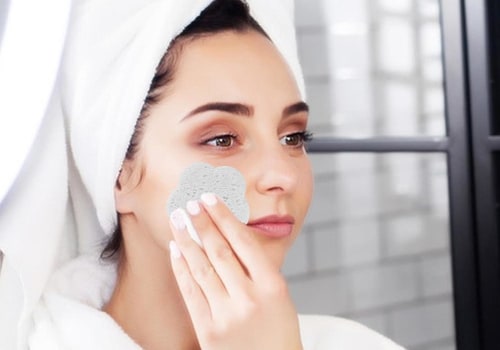
To achieve maximum protection from the sun while maintaining a healthy skincare routine, it’s essential to understand how to layer your skincare products effectively. Here are some practical tips to help you apply your products in the right order:- Start with Clean Skin: Always begin with a clean face. Use a gentle cleanser to remove dirt and impurities, allowing your skincare products to penetrate better.
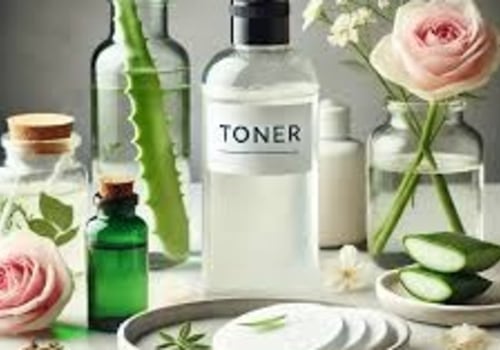
- Apply Toner or Essence: If you use a toner or essence, apply it next. These products can help hydrate and prep your skin for better absorption of subsequent layers.
- Use Serums: After toning, apply any serums you may have.
Serums are typically more concentrated and should be applied before heavier products.
- Moisturizer with SPF: If your moisturizer contains SPF, it’s crucial to apply it generously. However, keep in mind that many moisturizers do not provide adequate sun protection on their own.
- Add a Separate Sunscreen: For optimal protection, consider applying a separate broad-spectrum sunscreen after your moisturizer. This ensures that you receive the full SPF benefits, as most moisturizers do not contain enough SPF to protect against UV rays effectively.
Reapplication is Key:
Remember that sunscreen needs to be reapplied every two hours, especially if you are sweating or swimming.Incorporating a setting spray or powder with SPF can make reapplication easier throughout the day without disrupting your makeup.By following these steps and understanding the importance of layering your skincare products correctly, you can ensure that your skin remains protected from harmful UV rays while also benefiting from the nourishing properties of your skincare routine.
Real-Life Scenarios: When to Use Separate Sunscreen
Understanding when to use a separate sunscreen is crucial for effective skincare. Here are some real-life scenarios that illustrate the importance of applying a dedicated sunscreen, even if your moisturizer contains SPF.Daily Activities
If you spend a significant amount of time outdoors, such as during a weekend hike or while playing sports, relying solely on a moisturizer with SPF may not provide adequate protection. For instance:- Outdoor Sports: Engaging in activities like running or cycling can lead to increased sweating, which may reduce the effectiveness of your moisturizer's SPF.
- Beach Days: When swimming or sunbathing, water and sand can reflect UV rays, necessitating a stronger, water-resistant sunscreen.
Skin Type Considerations
Your skin type can also dictate whether you should opt for a separate sunscreen. For example:- Oily Skin: If you have oily or acne-prone skin, a lightweight, non-comedogenic sunscreen can provide better protection without clogging pores compared to heavier moisturizers.
- Sensitive Skin: Those with sensitive skin may benefit from using a mineral-based sunscreen that is specifically formulated to minimize irritation.
Makeup Application
If you wear makeup daily, using a separate sunscreen can be beneficial.Many makeup products do not offer sufficient sun protection. Consider:
- Layering Products: Applying a dedicated sunscreen before your makeup ensures that you have an adequate layer of protection against UV rays.
- Touch-Up Options: There are various spray and powder sunscreens available that allow for easy reapplication throughout the day without disturbing your makeup.
Conclusion: Making Informed Choices for Your Skincare Routine
In conclusion, understanding the role of sunscreen in your skincare routine is crucial for maintaining healthy skin and preventing long-term damage. While many moisturizers now come with SPF, relying solely on them may not provide adequate protection against harmful UV rays.Key Takeaways:
- SPF in Moisturizers: While moisturizers with SPF offer some level of sun protection, they often do not provide the same level of coverage as dedicated sunscreens.
- Application Amount: Most people apply less than the recommended amount of moisturizer, which can significantly reduce the effectiveness of the SPF.
- Broad Spectrum Protection: Not all moisturizers with SPF offer broad-spectrum protection against both UVA and UVB rays, making it essential to check labels carefully.
- Reapplication: Sunscreen needs to be reapplied every two hours, especially if you are sweating or swimming. This is often not feasible with a moisturizer alone.
This ensures that you are adequately protected from the sun's damaging effects while still enjoying the benefits of hydration and other skincare ingredients. By making informed choices about your skincare products, you can effectively safeguard your skin's health and appearance for years to come.